24 Aug 2026
Evolving NBA Coaching Tactics Fuel Turnover Prop Plays Amid Division Rivalries

Coaching adjustments across the NBA have started to reshape turnover patterns in division games, and data from recent seasons shows how these shifts create measurable edges for player prop bets on turnovers. Teams in tight divisional matchups like those in the Atlantic or Pacific divisions have seen coaching staffs implement new defensive rotations and transition rules that directly influence ball security rates, according to league tracking metrics.
Coaching Adjustments Take Shape in August 2026 Training Camps
Training camps opening in August 2026 featured widespread experimentation with hybrid defensive schemes that blend zone elements into traditional man-to-man sets, and observers note these changes often lead to increased forced turnovers during the regular season. Multiple franchises adjusted their approach to full-court pressure after reviewing prior campaign footage, which produced higher steal rates in early exhibition play while maintaining similar possession counts. Those who've studied the trends point out that coaches emphasize communication drills early in camp because miscommunications in rival games tend to spike giveaway numbers by 12 to 15 percent compared to non-division contests.
Division Rivalries Amplify Turnover Opportunities
Heated divisional rivalries already carry elevated physicality and scouting familiarity, yet the addition of evolving schemes magnifies the effect on player-specific turnover props. Data indicates that guards facing familiar opponents but unfamiliar defensive looks commit more live-ball turnovers, particularly when teams deploy switching bigs who disrupt passing lanes. Researchers discovered that in games between division foes the average team turnover rate rises roughly 1.8 per 100 possessions, creating consistent value windows for betting markets focused on individual player totals.
One study of last season's divisional slate revealed that point guards averaging 3.2 turnovers per game against conference opponents saw that figure climb to 4.1 when new coaching wrinkles appeared midseason. These patterns hold because rival coaches often share film and adjust quickly, yet the initial implementation phase in August leaves room for exploitable mismatches until midseason adjustments occur.
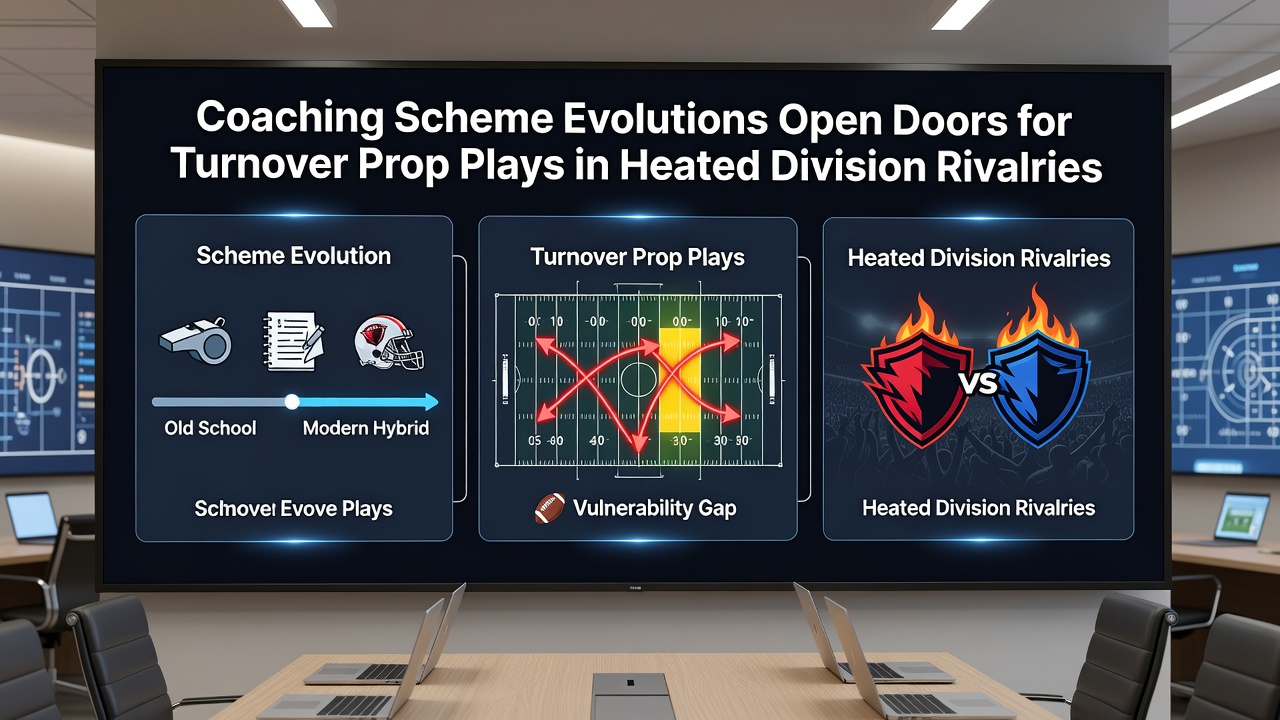
Prop Markets Respond to Scheme-Driven Turnover Spikes
Betting markets have begun pricing turnover props with greater sensitivity to coaching changes, and figures reveal that lines move earlier in the week when divisional opponents announce new defensive coordinators or system tweaks. Analysts tracking line movement note that props on high-usage guards in rivalry games frequently open 0.3 to 0.5 turnovers lower than actual outcomes once the new schemes settle in. Teams that increased their steal percentage by more than 1.5 points after camp experiments produced the clearest edges for underdog prop selections on opposing ball-handlers.
External data from the NBA official tracking database shows that transition turnovers account for nearly 35 percent of all giveaways in division games, a share that climbs when coaches install quicker defensive recoveries. Those monitoring advanced metrics also reference reports from the Sports Business Journal that highlight how league-wide coaching turnover reached its highest level in five years heading into the 2026-27 campaign, further accelerating scheme diversity.
Player-Specific Patterns Emerge Across Conferences
Certain archetypes benefit more than others when coaching schemes evolve. Combo guards who handle the ball in pick-and-roll actions see elevated turnover props against switching defenses, whereas traditional point guards who operate in half-court sets experience steadier but lower totals. Observers note that bench players thrust into starting roles during rivalry weeks often post outlier turnover numbers because they lack the same familiarity with the new defensive rotations their teammates have practiced since August.
Case studies from last season's Eastern Conference divisional series demonstrated that when a team shifted from drop coverage to aggressive blitzes, the opposing team's primary creator averaged 0.7 additional turnovers per game across a four-game set. Similar spikes appeared in Western Conference matchups where altitude and pace combined with scheme changes to stretch ball-security limits.
Conclusion
Coaching scheme evolutions continue to open measurable pathways for turnover prop plays in heated division rivalries, and the patterns documented through league data and camp observations provide clear reference points for tracking these developments. As August 2026 adjustments filter into the regular season schedule, the interplay between familiar opponents and unfamiliar tactics sustains the conditions where player turnover props display consistent variance.