24 Oct 2026
Evoke Urges Measured Approach to Gambling Taxation in Upcoming Budget

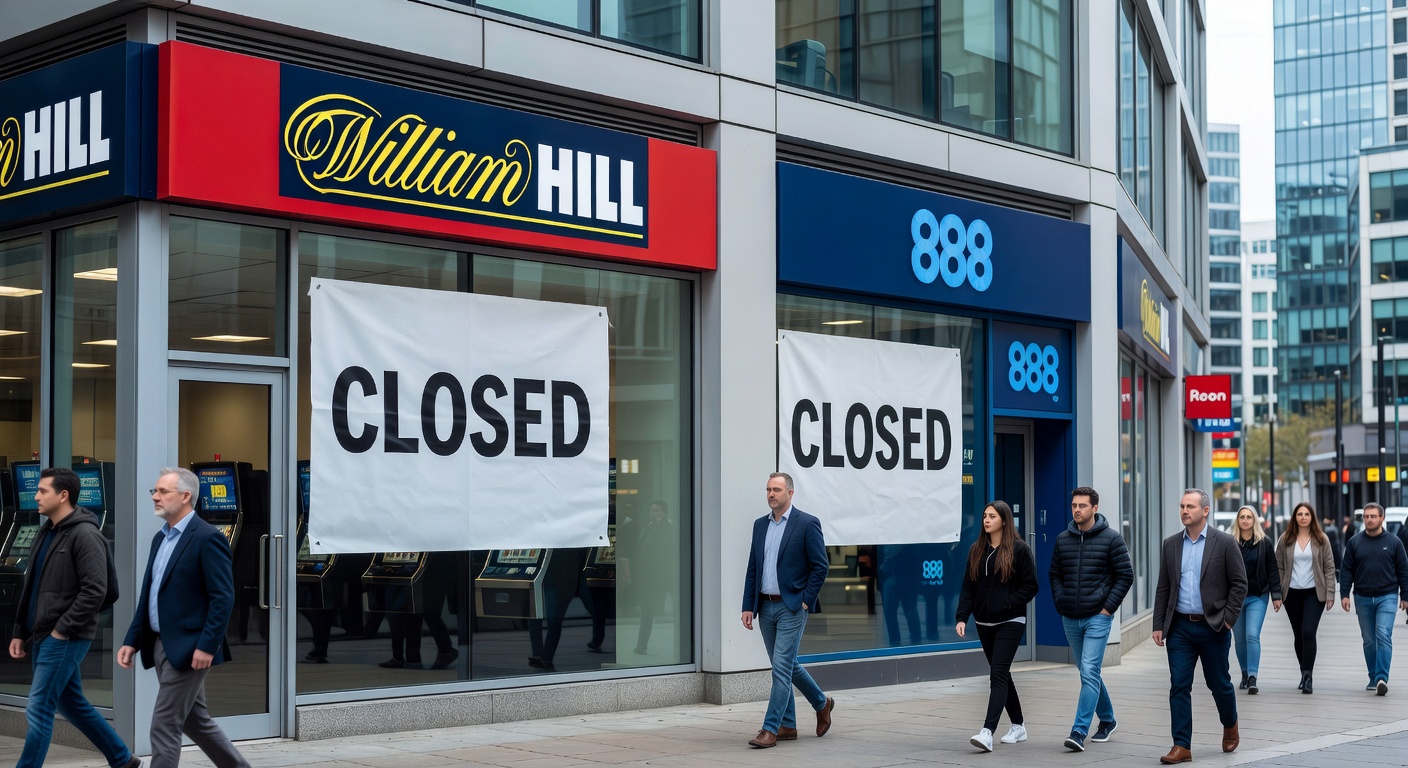
Evoke, the company behind the William Hill betting chain, has called on the UK Government to review any additional tax increases on the gambling sector with care, according to statements released in late October 2026. The firm attributed the closure of around 270 betting shops last April partly to measures from the previous budget cycle that raised operational costs across the industry. Those closures formed part of a broader strategy to manage expected rises in duties, including the Remote Gaming Duty increase scheduled from 21 percent to 40 percent in April 2026 along with a new 25 percent online sports betting duty set to begin in 2027.
The company is also advancing toward a £243 million acquisition by the Greek operator Bally’s Intralot, a deal that reflects ongoing consolidation within the European gambling market. Evoke reported third-quarter group revenues of £406 million, a figure that fell 7 percent compared with the same period a year earlier, or 2 percent when adjusted for the impact of the closed shops. Company filings and public updates tied these results directly to the cumulative effect of higher tax burdens and shifting consumer patterns in both retail and online channels.
Tax Measures and Shop Network Adjustments
Observers note that the Remote Gaming Duty adjustment and the forthcoming sports betting levy represent significant policy shifts aimed at balancing public finances while addressing online growth. Evoke executives referenced these changes when explaining the decision to reduce the physical shop footprint, a move that allowed the business to redirect resources toward its digital platforms. The closures occurred in April 2026, aligning with the timeline of prior budget announcements that increased employer national insurance contributions and other operating expenses for high-street retailers.
Similar adjustments have appeared across the sector. Flutter Entertainment, operator of Paddy Power and Betfair, has outlined plans to reduce approximately 1,400 roles in the UK and Ireland as part of its own cost-management program. Entain, parent company of Ladbrokes and Coral, issued parallel statements highlighting pressure from the same tax trajectory. These coordinated responses illustrate how multiple operators are recalibrating staffing and property portfolios in response to the combined duty increases scheduled through 2027.
Revenue Performance and Market Context
Evoke’s third-quarter results showed the £406 million revenue total amid a year marked by both regulatory and economic variables. When excluding the closed shops, the underlying decline narrowed to 2 percent, suggesting that core online operations maintained relative stability despite the broader downturn. Company reports positioned these numbers within the wider landscape of rising compliance costs and consumer caution ahead of the 2027 duty implementation.
Industry data compiled by various European trade associations indicate that retail betting outlets have faced sustained challenges from both online competition and fiscal policy changes. Evoke’s approach of trimming its shop network forms part of a larger pattern where operators consolidate physical locations to offset higher Remote Gaming Duty and the new sports betting levy. The Greek firm Bally’s Intralot, which is set to complete the £243 million transaction, has signaled interest in integrating Evoke’s digital assets with its existing international operations once regulatory approvals clear.
Takeover Developments and Sector Consolidation
The pending acquisition by Bally’s Intralot adds another dimension to Evoke’s strategic outlook. Regulatory filings related to the deal highlight the need for a stable tax environment to support post-merger integration and future investment. Company statements released alongside the third-quarter figures emphasized that further tax escalations could complicate the transition and affect employment levels across remaining retail sites.
Those who track gambling policy across multiple jurisdictions note that similar tax recalibrations have occurred in other markets, including adjustments tracked by the Australian Taxation Office and oversight reports from the Malta Gaming Authority. These international comparisons appear in Evoke’s communications as context for why domestic policy decisions warrant careful sequencing. The firm’s public messaging frames the current tax trajectory as already delivering substantial revenue to the Treasury while simultaneously accelerating structural changes within the betting industry.
Conclusion
Evoke’s October 2026 statements connect the April shop closures, the scheduled duty increases, and the upcoming budget deliberations into a single narrative about operational sustainability. The £243 million takeover process continues in parallel, with the company citing revenue figures of £406 million for the third quarter as evidence of the pressures already in place. Rival operators have echoed comparable concerns, creating a consistent industry position ahead of any further fiscal announcements. Data from company releases and sector filings continue to shape discussions around how tax policy interacts with employment, retail footprints, and digital migration in the UK gambling market.