8 Aug 2026
Betfred Shop Closures Illustrate Tax Rise Consequences in BGC Statement

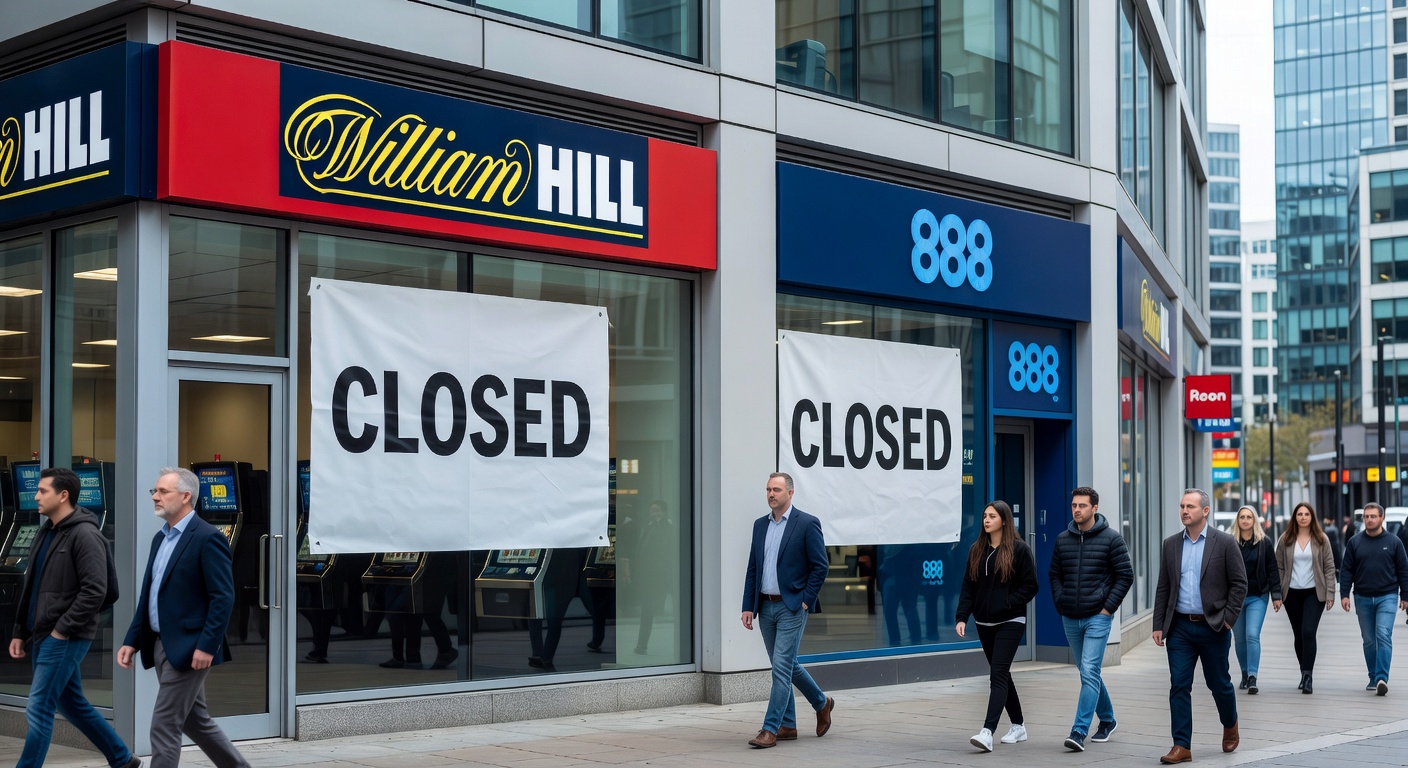
The Betting and Gaming Council released a statement in August 2026 that connects recent Betfred betting shop closures directly to tax increases introduced in the prior Budget, and the organization lists specific consequences including reduced employment opportunities, diminished high-street activity, lower investment levels, and decreased funding support for British horseracing while also noting potential growth in unregulated markets.
Details from the BGC Announcement
According to the statement, the closures serve as a clear example of how increased taxation affects operational decisions within the betting sector, and BGC representatives point to multiple shop locations where Betfred has scaled back presence, which leads to fewer physical outlets available for customers across various regions. The announcement highlights that these changes follow budget measures that raised taxes on gaming activities, and it connects the timing of the closures to those fiscal adjustments implemented earlier.
Employment and High-Street Business Effects
Job losses emerge as a direct outcome when shops close, since staff positions at those sites disappear, and the statement notes that this reduction in workforce numbers extends beyond individual employees to affect local economies where betting shops previously contributed to foot traffic and related spending. High-street businesses experience ripple effects because fewer open outlets mean less overall activity in retail areas, while the BGC statement references data showing how betting venues often support neighboring shops through shared customer visits and community presence.
Investment in new locations or upgrades slows when tax burdens rise, and operators respond by consolidating resources rather than expanding, which results in stalled projects that would otherwise have created additional infrastructure and services in the betting industry.
Funding Impacts on British Horseracing
British horseracing relies on contributions from betting operators through various levy and sponsorship mechanisms, and the BGC statement explains that shop closures reduce the volume of regulated betting activity that generates those funds, leading to lower financial support available for racecourses, breeders, and related events. The organization cites figures that link physical betting outlets to a measurable portion of horseracing revenue streams, and it observes that reduced operations translate into smaller allocations for industry development and prize money distribution.
Concerns Regarding Unregulated Markets
The statement also addresses the possibility that higher taxes on licensed operators push some activity toward unregulated channels, and BGC points to evidence that black market operators gain when regulated options become less viable due to increased costs. This shift occurs because customers seeking betting opportunities may turn to unlicensed platforms that avoid tax obligations entirely, and the announcement references patterns observed in other jurisdictions where similar tax policies correlated with growth in illegal betting volumes.
Researchers from industry groups have tracked how tax differentials influence market behavior, and data collected by organizations such as the American Gaming Association shows comparable movements in other regions where regulated betting faces heavier fiscal loads. The BGC statement emphasizes that maintaining a balanced tax environment helps keep activity within licensed frameworks that contribute to oversight and consumer protections.
Broader Context of the Prior Budget Measures
The previous Budget introduced tax adjustments that raised rates on certain gambling activities, and the BGC statement positions the Betfred closures as an early indicator of wider sector responses to those changes. Operators across the industry monitor these developments because similar cost pressures can prompt further consolidations, and the announcement notes that multiple companies have already signaled adjustments to their retail footprints in response to the same fiscal policies.
High-street betting venues serve as accessible points for regulated play, and their reduction alters how customers interact with licensed services, which in turn affects overall participation rates in monitored betting channels. The statement connects these operational shifts to long-term trends in investment decisions, where companies weigh tax liabilities against potential returns before committing resources to physical locations.
Conclusion
The BGC statement presents the Betfred closures as evidence of interconnected effects stemming from recent tax increases, and it outlines consequences that span employment, local commerce, horseracing support, and market regulation. Observers reviewing the announcement note the emphasis on how fiscal policy influences business viability in the betting sector, while the organization continues to track further developments following the August 2026 release.